
Key Features Every Outdoor Kitchen Needs
From counter space and storage to shade and seating, the right features can make your outdoor kitchen easier to use and more comfortable for family and friends.
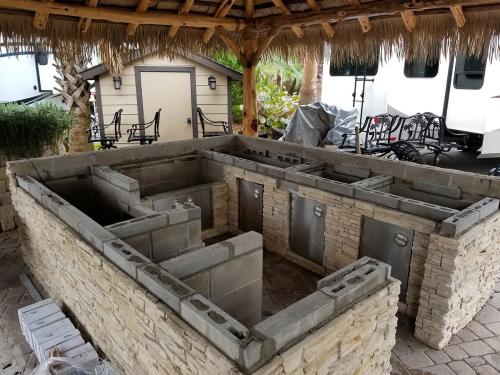
An outdoor kitchen can be as basic as a built-in grill with a counter or as complete as a backyard cooking area with a smoker, refrigerator, sink, storage, and seating. The right setup depends on what you cook, how often you have people over, and how much room you have available.
Living in Corpus Christi adds a few other things to think about. Strong sun, coastal wind, humidity, salt air, and sudden rain can all affect the layout and the materials you choose. Before construction begins, it helps to know which features will make the space easier for your family to use.
Start With the Way You Cook
It is easy to get carried away looking at grills, refrigerators, and other outdoor appliances. Before buying anything, think about what usually ends up on the menu at your house.
Think about what usually goes on the grill at your house. Burgers and steaks may only call for a grill and some counter space, while brisket and ribs will require room for a smoker and large trays. If you cook outside often, a sink, refrigerator, and extra storage may come in handy.
Planning around your normal routine can keep you from spending money on features that take up room but rarely get used.
Choose Appliances Before Building the Masonry
Select the grill and other built-in appliances before the kitchen base is constructed. Even appliances that appear similar can have different dimensions, clearance requirements, and ventilation needs.
Your plan should account for:
- The exact size of each appliance
- Safe clearance around grills and smokers
- Gas, water, and electrical connections
- Openings for doors, drawers, and vents
- Enough room to remove or replace an appliance later
It is much easier to build the masonry around the correct measurements from the beginning than to alter a finished opening.
Give Yourself Enough Counter Space
The grill may get the most attention, but the counter is where much of the work happens. You need room for seasonings, utensils, cutting boards, trays, side dishes, and food waiting to go on or come off the heat.
Try to leave usable counter space beside the grill instead of placing all of it at the opposite end of the kitchen. If you regularly cook for a crowd, a separate serving counter can keep guests from reaching into the main cooking area.
Coastal Masonry can build custom concrete countertops to fit the kitchen layout. The size, shape, color, and edge can be planned around the appliances and the way you want to use the space.
Include Storage Where It Makes Sense
A few well-placed drawers or cabinets can save you from making constant trips into the house. Storage near the grill is useful for utensils, grilling tools, foil, and other supplies you reach for while cooking.
Around the Coastal Bend, even covered spaces can get damp or catch some blowing rain. Outdoor-rated doors, drawers, and hardware will hold up better, but anything that cannot handle moisture should stay inside. Homes near the bay or Gulf also need weatherproof materials that can stand up to the salt air.
Decide Whether You Need a Sink or Refrigerator
An outdoor sink is handy for rinsing food, washing your hands, and cleaning up as you cook, but you’ll need to run water to it and have somewhere for that water to drain. A refrigerator keeps drinks and ingredients close by, but it needs access to power and must be made for outdoor use.
Neither feature is essential for every kitchen. If the outdoor cooking area is only a few steps from your back door, you may decide that additional counter space or storage would be more useful. If you frequently host larger gatherings, the convenience may be worth the added planning.
Plan for Smoke, Wind, and Ventilation
Anyone who lives in Corpus Christi knows the wind can pick up quickly. Before deciding where the grill or smoker will go, think about where the smoke is likely to travel. You don’t want it blowing toward your guests or straight through the back door.
If the kitchen will be covered, the grill and smoker still need plenty of breathing room. Their required clearances should be worked into the plan from the start so heat and smoke have a safe way out.
Add Shade for Hot South Texas Days
Shade can make a major difference during a Corpus Christi summer. A roof extension, pergola, pavilion, or other cover can help shield the cooking and seating areas from direct sun and light rain.
A cover will not block every part of the coastal weather, especially wind-driven rain and humidity. Appliances, cabinets, and finishes still need to be suitable for outdoor conditions. The location and height of the cover should also leave plenty of ventilation around cooking equipment.
Keep Seating Out of the Cooking Zone
People naturally gather near the person cooking, but ideally you don’t want your guest next to the hot grill, or counter where you are prepping food. A raised bar, dining table, or nearby seating area can keep everyone part of the conversation without crowding the cook.
Leave enough room for cabinet doors and appliance lids to open fully. You should also be able to carry hot food from the grill to the counter without weaving around chairs.
For larger family gatherings, a built-in seating wall can provide extra places to sit without filling the patio with more furniture.
Choose Masonry That Fits Your Home
Stone and brick masonry can give your outdoor kitchen a permanent, custom-built appearance. The finish does not have to match your home exactly, but it should work with the existing brick, stucco, patio, or landscaping.
Lighter stone can suit the relaxed look of many Coastal Bend homes, while brick or a darker stone may fit a more traditional exterior. Mixing materials can also keep the kitchen from feeling too heavy. For example, stone masonry can be paired with concrete counters, stainless steel appliances, and wood or metal accents.
The material should be chosen for its location and exposure as well as its appearance.
Do Not Overlook Drainage
Heavy coastal rain can leave water standing in low areas of a patio. Before deciding where to build, look at how water moves through the yard and whether it tends to collect near the proposed kitchen.
The patio or cooking surface should be stable and level enough to use comfortably while still allowing water to drain away. If the current patio is too small, damaged, or uneven, it may need attention before the kitchen is installed.
Add Lighting Where You Need It
Good lighting makes it easier to check food on the grill, prepare ingredients, and clean up after dinner. Brighter lights belong around the grill and counters, while softer lighting works well near the table or seating area.
Pathways and steps should also be easy to see after dark. Planning the electrical work early helps avoid exposed cords or lights placed where they cast shadows across the cooking surface.
Build Around the Features You Will Use
The best outdoor kitchens are not necessarily the one with the most appliances. They are the ones that gives you enough room to cook, keep what you need within reach, and lets family and friends spend time together comfortably.
Coastal Masonry builds custom outdoor kitchens, concrete countertops, masonry features, and patios for homeowners in Corpus Christi and across the Coastal Bend. We can help you plan a space that fits your yard, your cooking style, and the features your family will actually use.
Contact Coastal Masonry to discuss your outdoor kitchen project.